Introduction
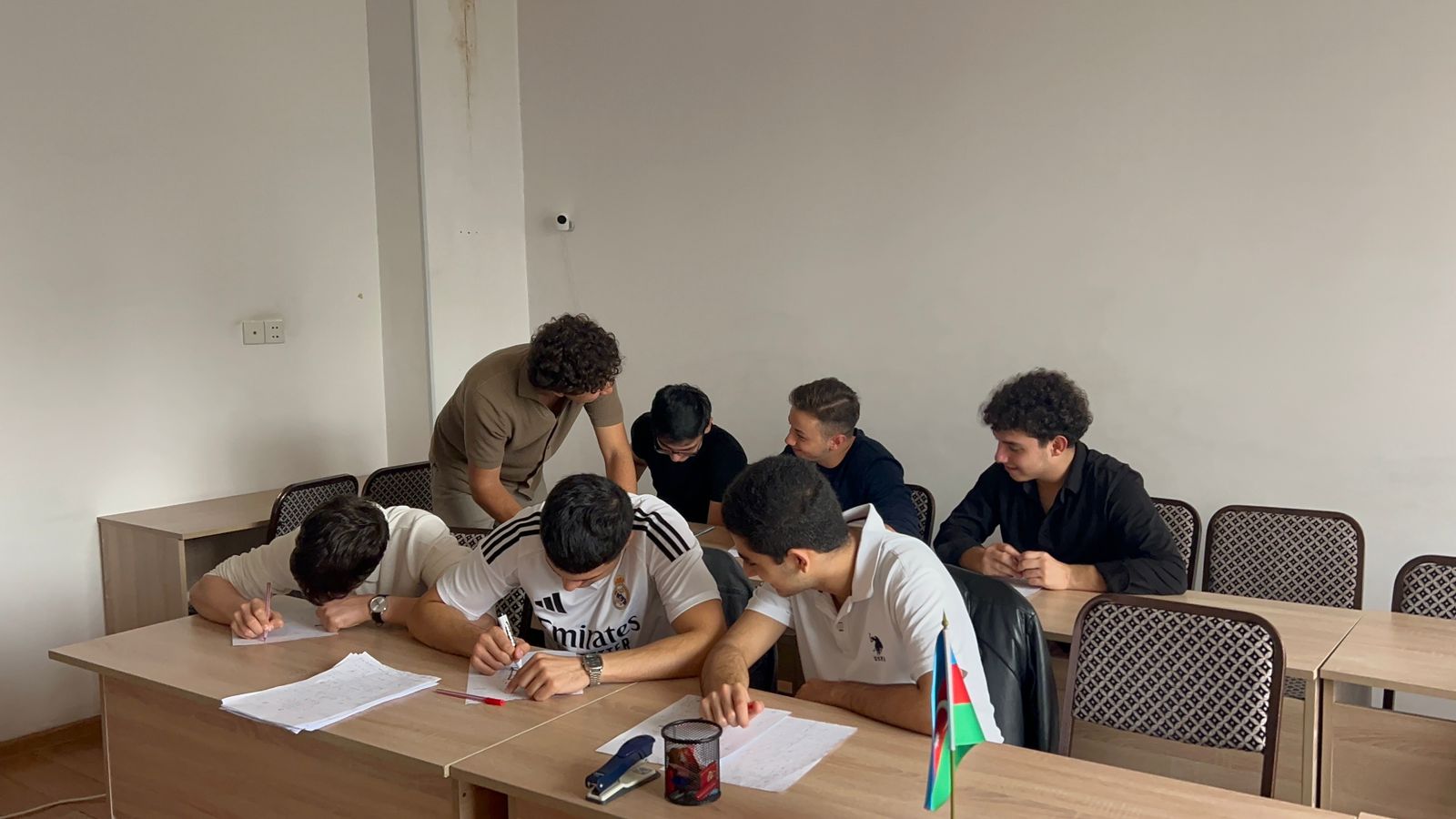
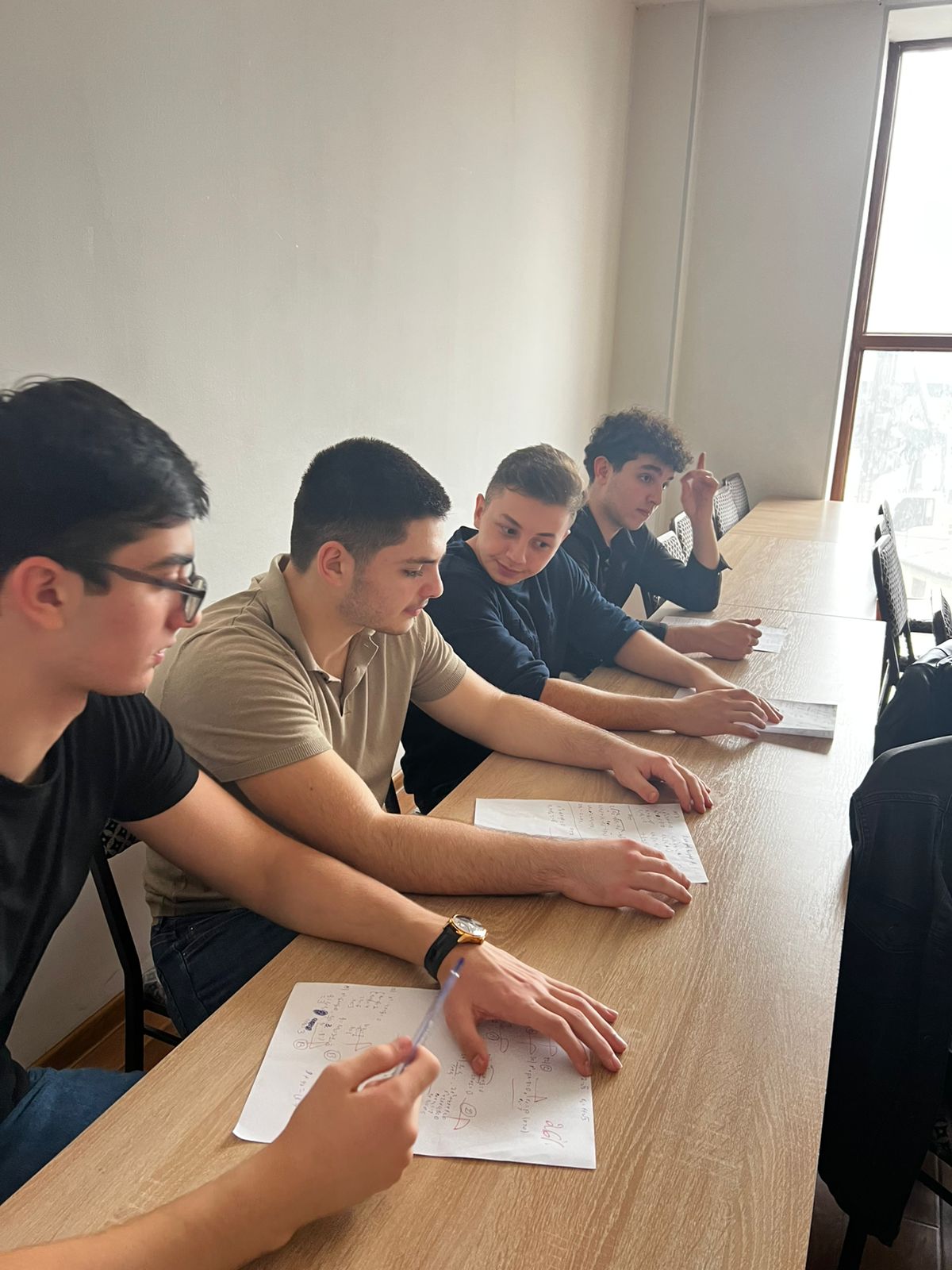
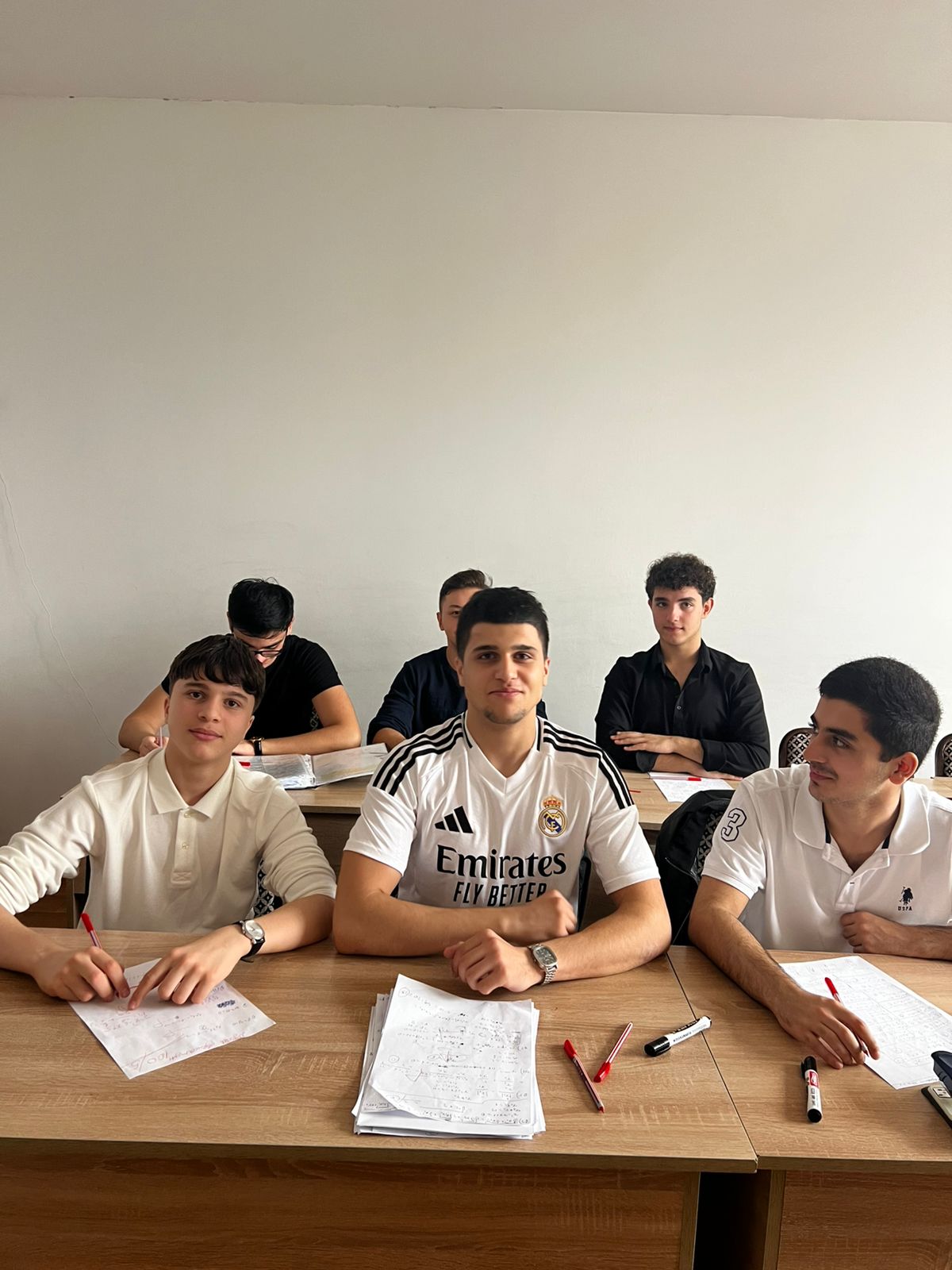
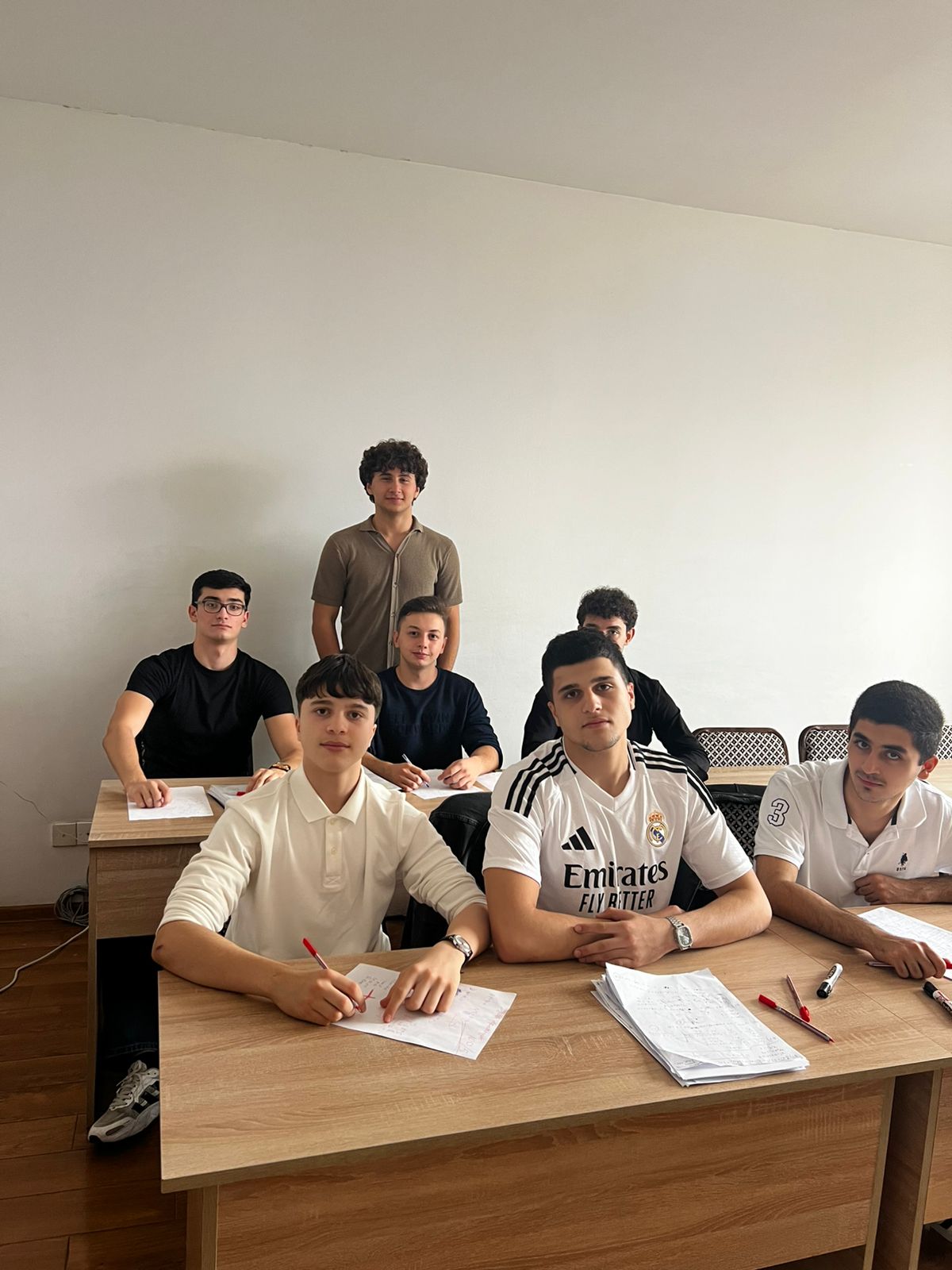
Bridge of Future is our signature cross-border cultural exchange program that brings together young people from Georgia and Azerbaijan. In a region where historical tensions and borders can create divisions, this program actively builds bridges through shared experiences, collaborative projects, and meaningful dialogue. Participants engage in cultural workshops, joint community projects, and educational seminars that emphasize commonalities while celebrating differences.
The program operates on the fundamental belief that sustainable peace and cooperation begin with personal connections. By creating spaces where youth from different backgrounds work together toward common goals, we foster empathy, break down stereotypes, and build lasting friendships that transcend national boundaries.
Program Videos
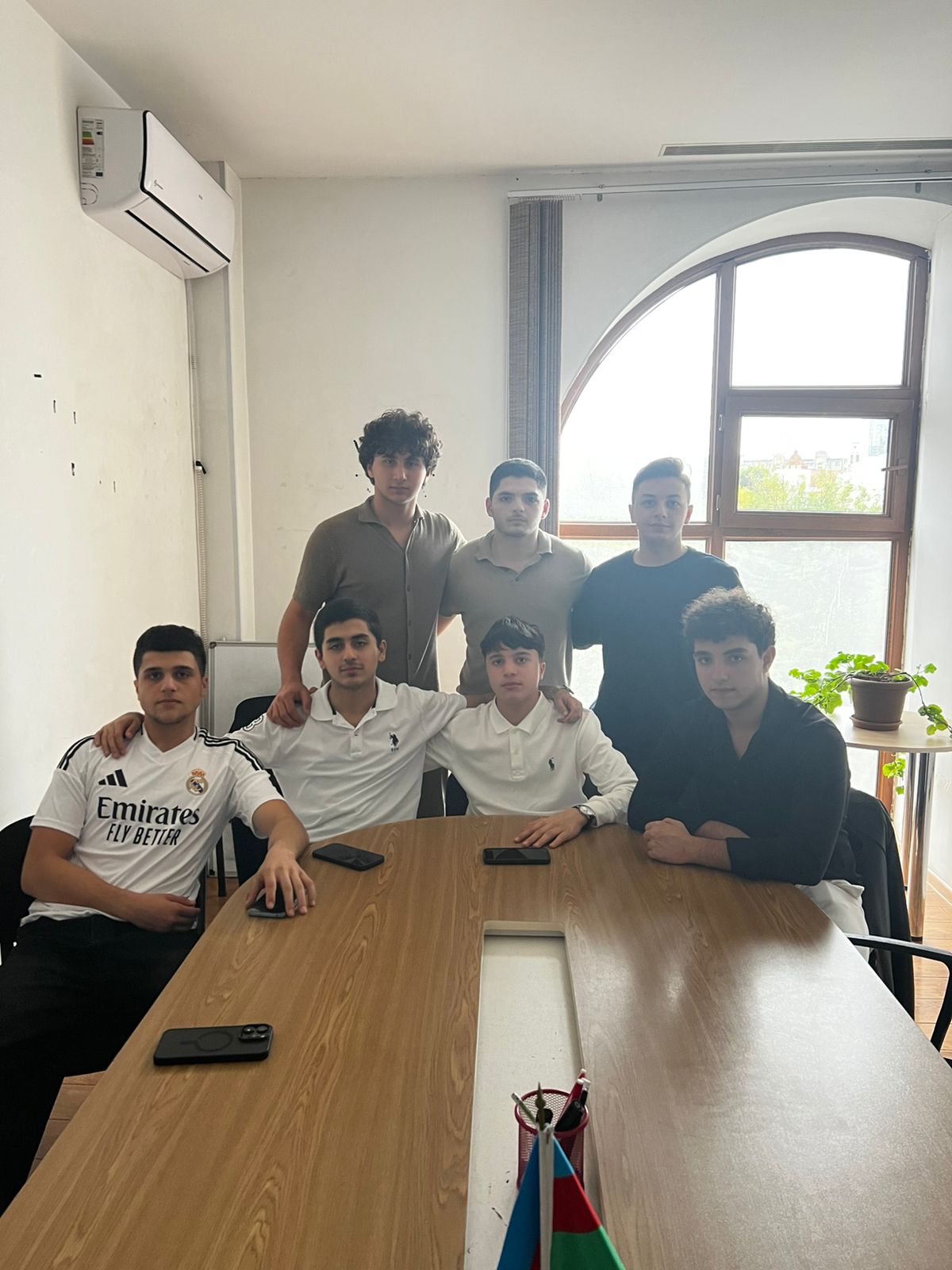
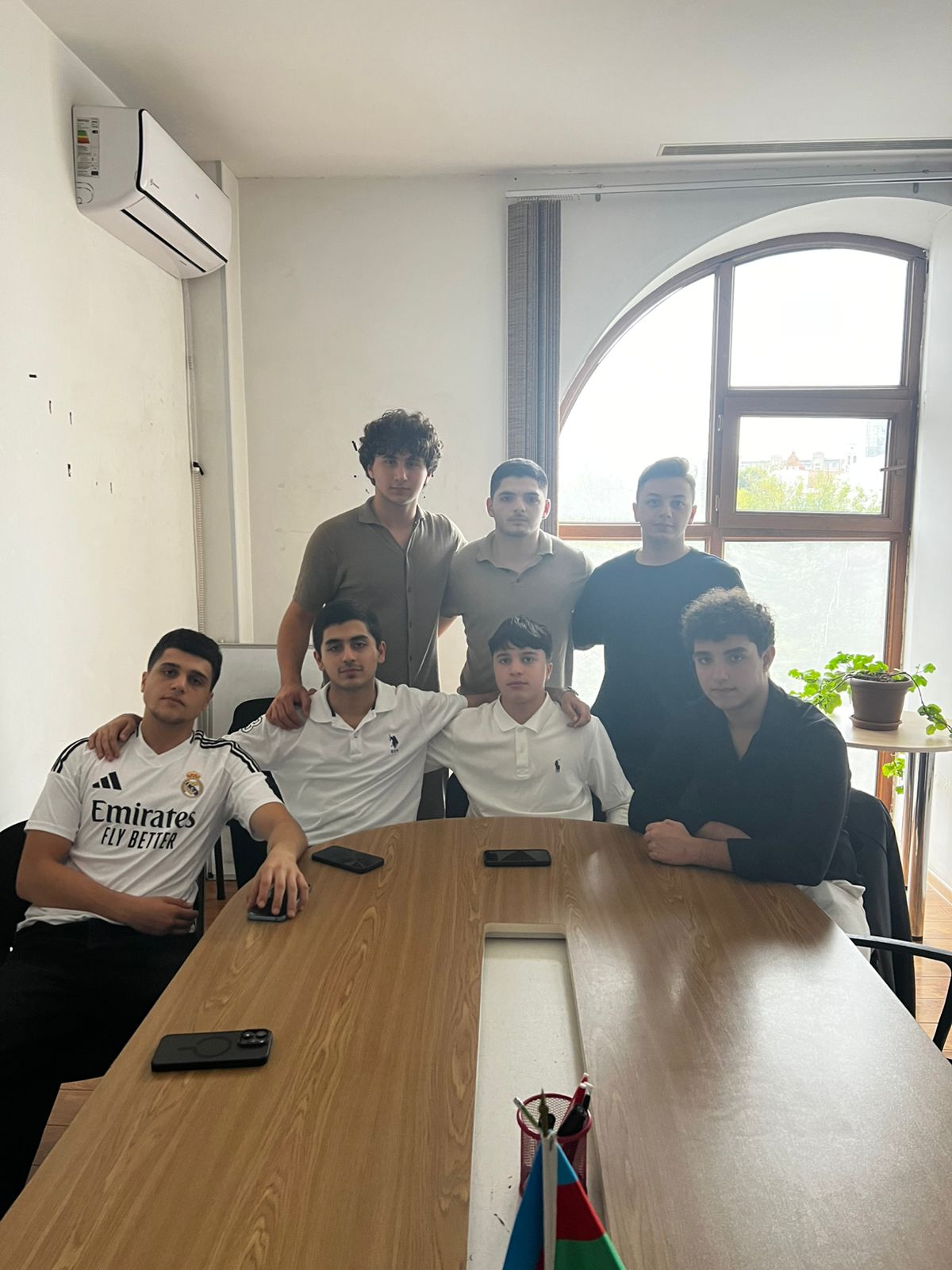
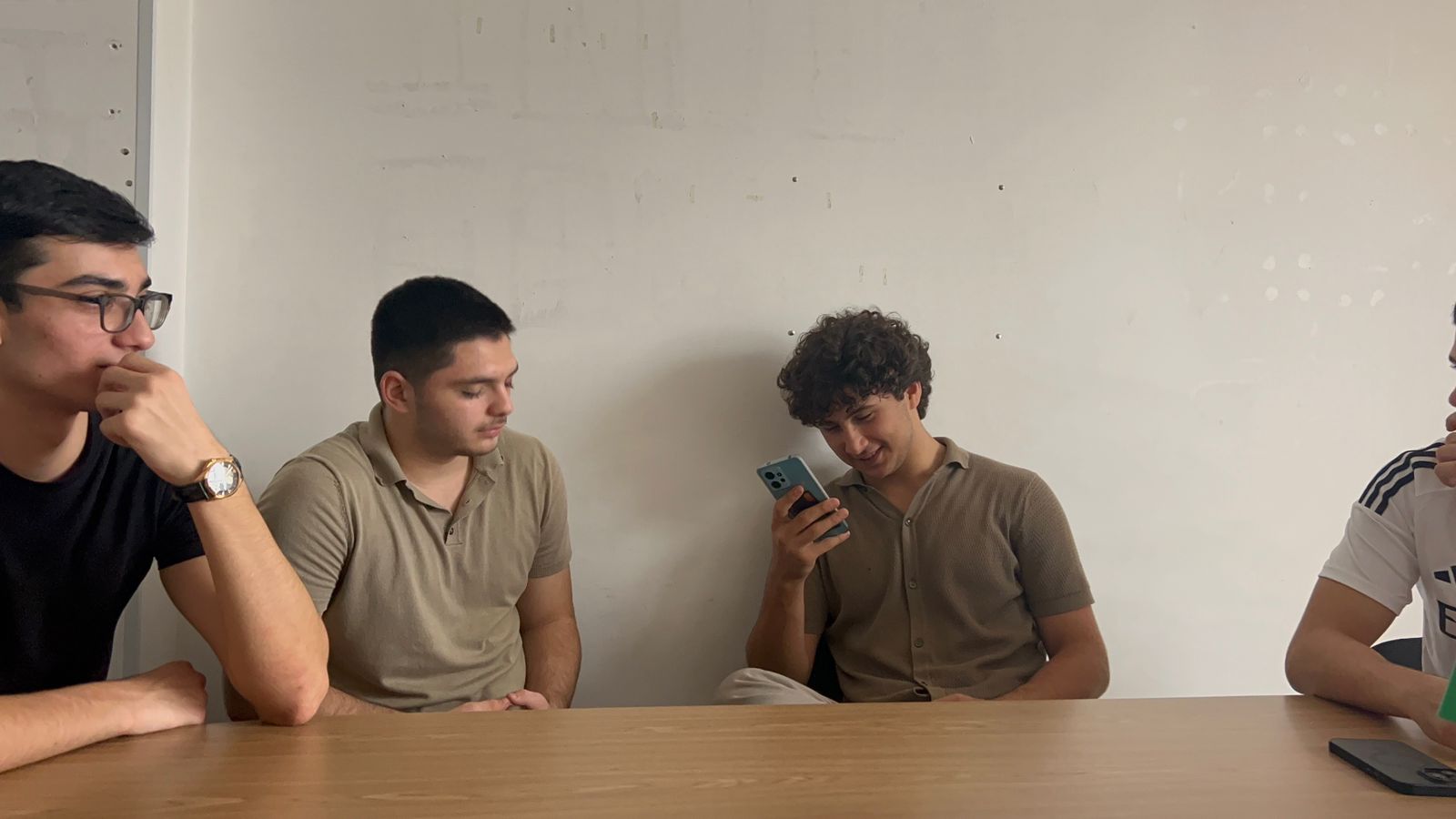
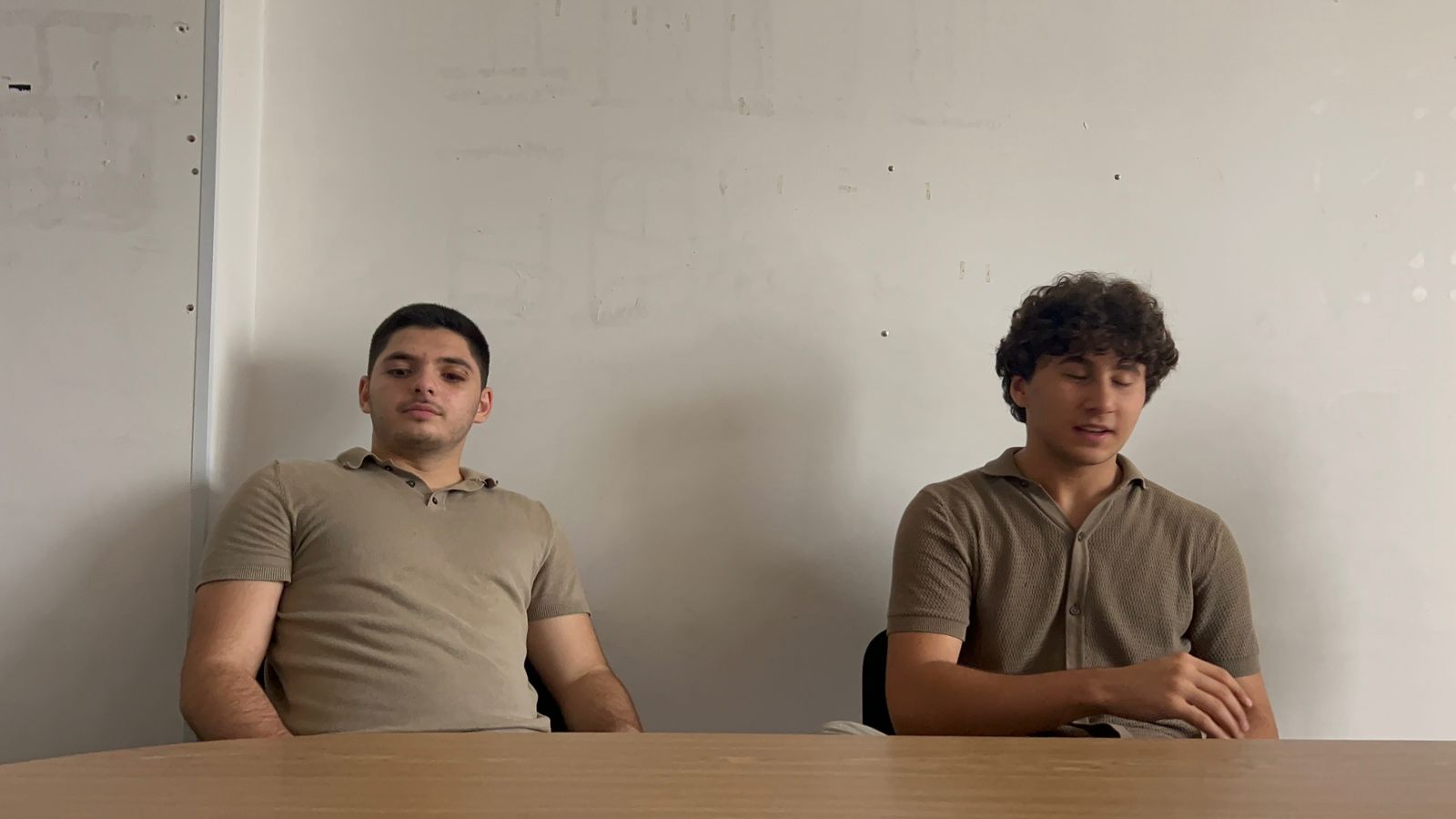
Cross-border exchanges and cultural activities
Exchange Activities
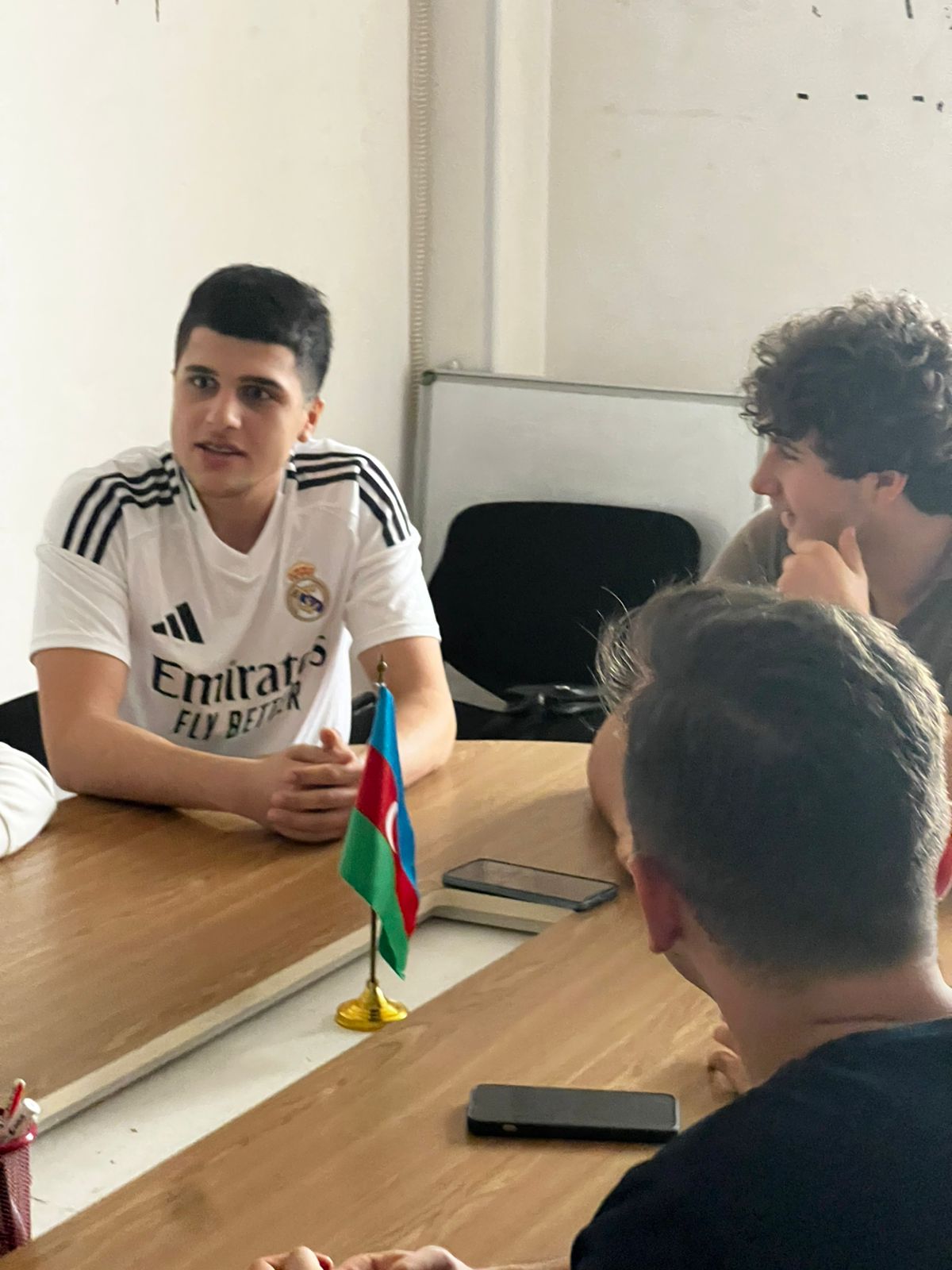
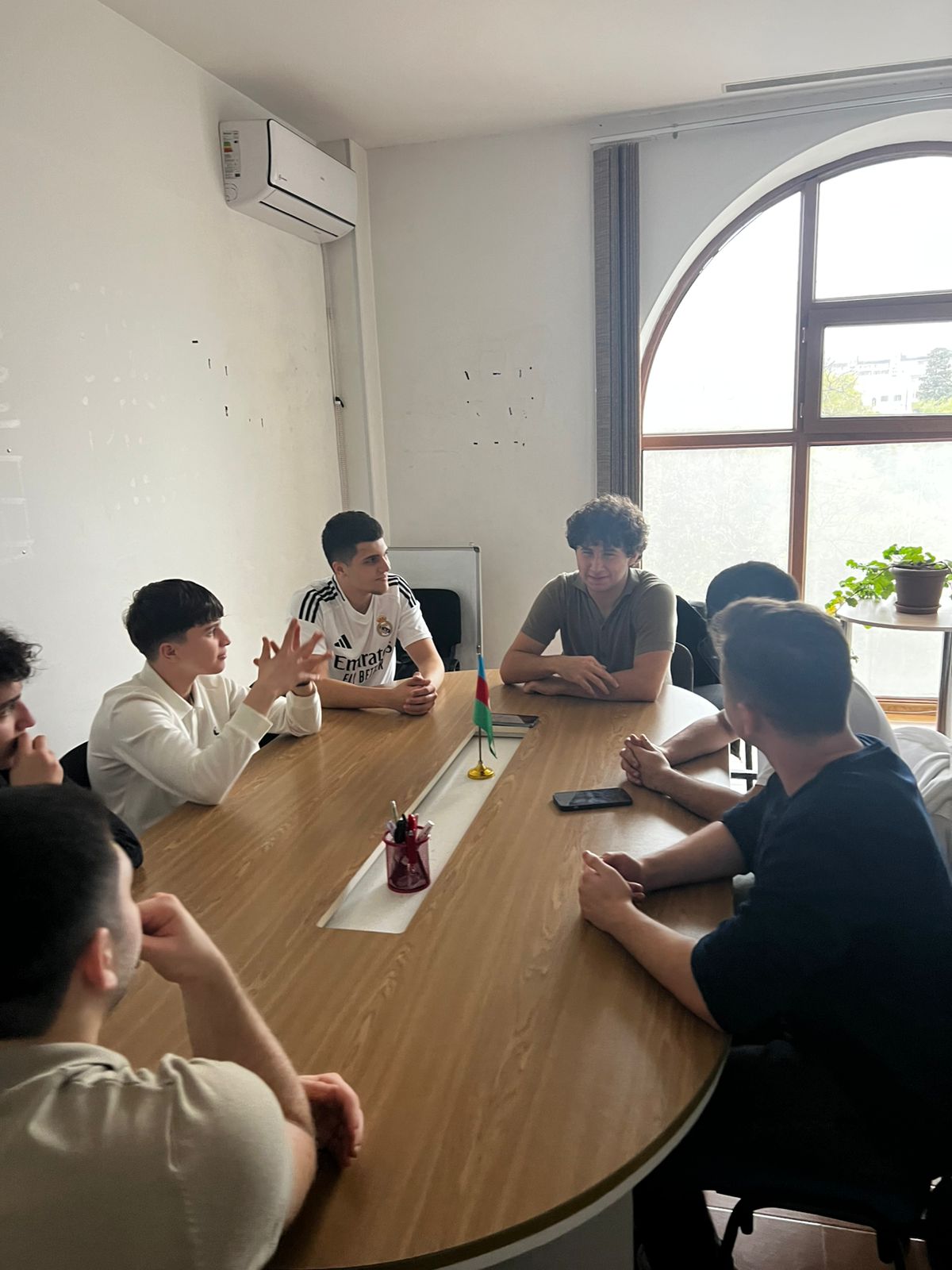
Youth from Georgia and Azerbaijan working together
Personal Motivation
Growing up in a border region, I experienced firsthand how artificial divisions can separate people who share so much in common — language, culture, history, and aspirations. I saw how misunderstanding and lack of contact perpetuated outdated narratives and missed opportunities for collaboration. The young people on both sides of the border had more similarities than differences, yet rarely had the chance to meet and discover this for themselves.
Bridge of Future was born from a conviction that the next generation deserves better. They deserve the opportunity to form their own opinions based on personal experiences rather than inherited prejudices. By facilitating meaningful exchanges, we provide youth with the tools to become ambassadors of understanding and cooperation in their communities.
Impact by the Numbers
Long-Term Impact
The impact of Bridge of Future extends far beyond the exchange events themselves. Participants return to their communities with transformed perspectives and become advocates for cross-cultural understanding. Many maintain friendships years after their participation, collaborating on joint projects and business ventures. We have seen participants pursue higher education in each other's countries and create professional networks that benefit both nations.
Perhaps most importantly, program alumni report a profound shift in how they view regional relations and their role in shaping the future. They understand that peace and cooperation are not abstract concepts but lived experiences built through personal relationships and mutual respect. This generation of young leaders, equipped with empathy and cross-cultural communication skills, represents hope for a more united and prosperous Caucasus region.