Introduction
United for Nature mobilizes youth to take direct action for environmental protection and sustainability. Through organized clean-up campaigns, tree planting initiatives, and environmental education workshops, we engage young people in hands-on conservation efforts while building awareness about ecological challenges and solutions. Our projects focus on local environmental issues — forest restoration, waste management, water conservation — making abstract environmental concepts concrete and actionable.
The program operates on the principle that environmental stewardship begins with personal connection to nature and understanding of one's impact. Participants learn about ecosystems, climate change, and sustainable practices while actively contributing to the health of their local environment. We partner with environmental organizations, local authorities, and schools to maximize impact and ensure that youth-led initiatives receive proper support and recognition.
Project Gallery
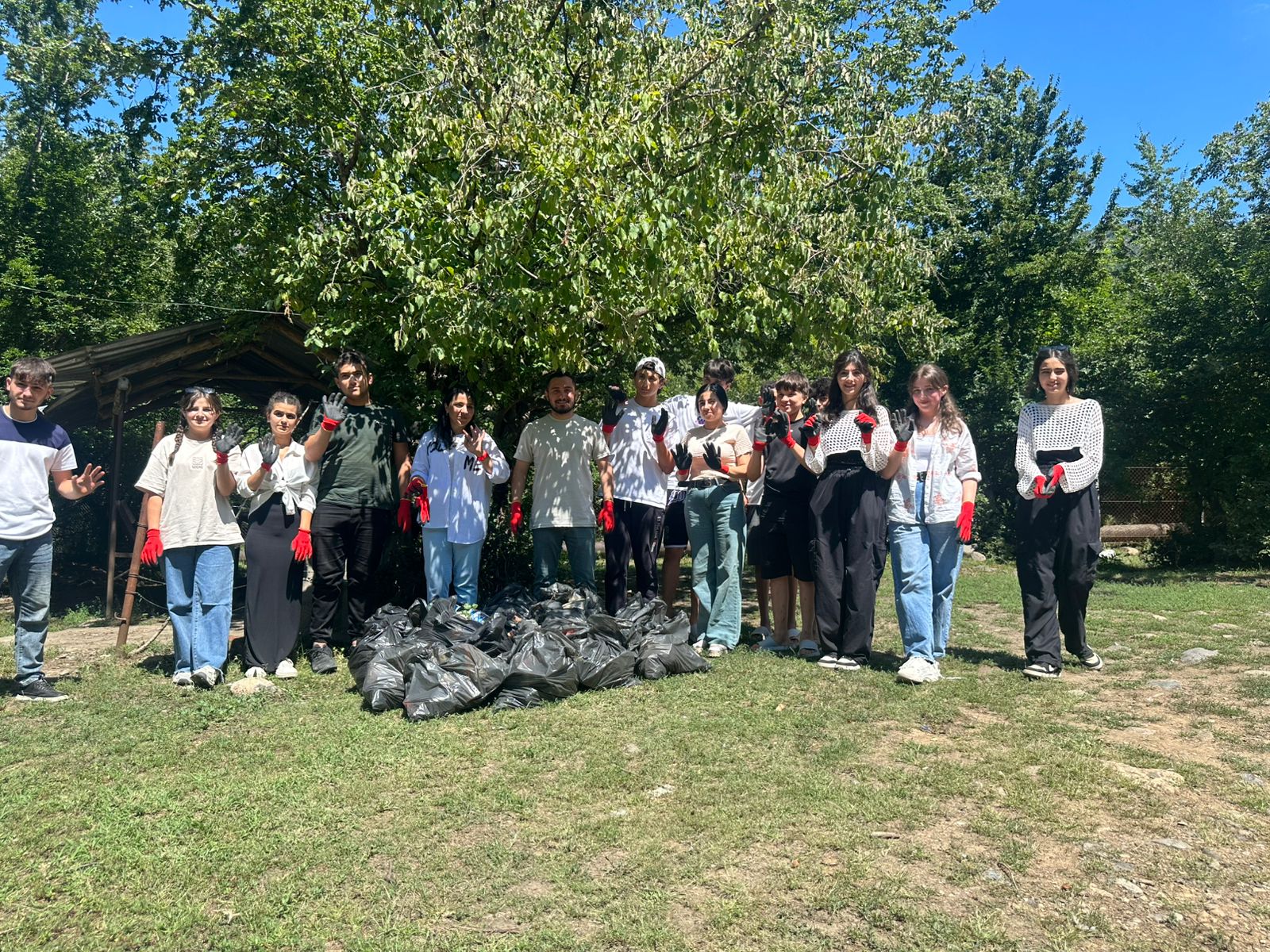
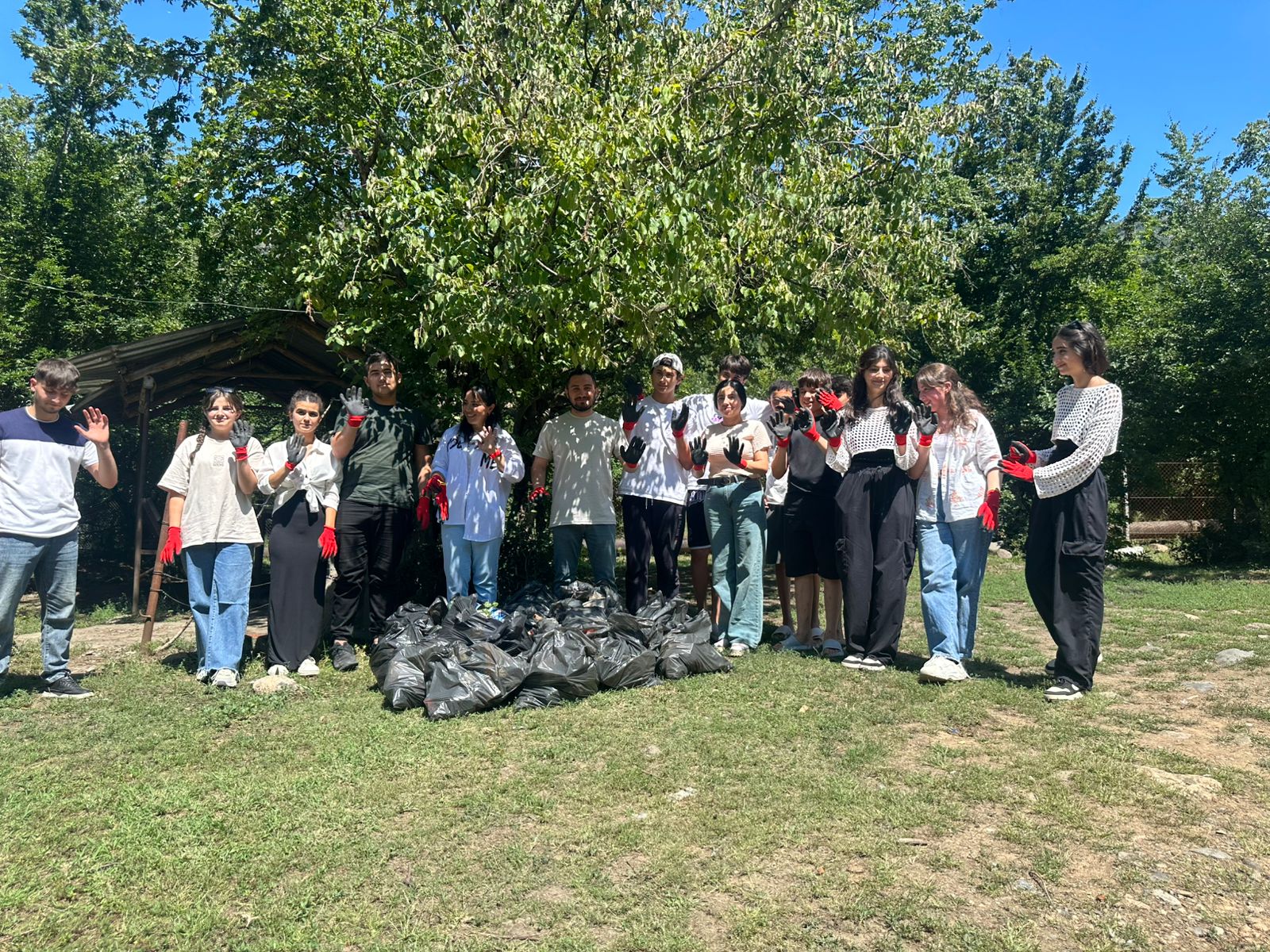
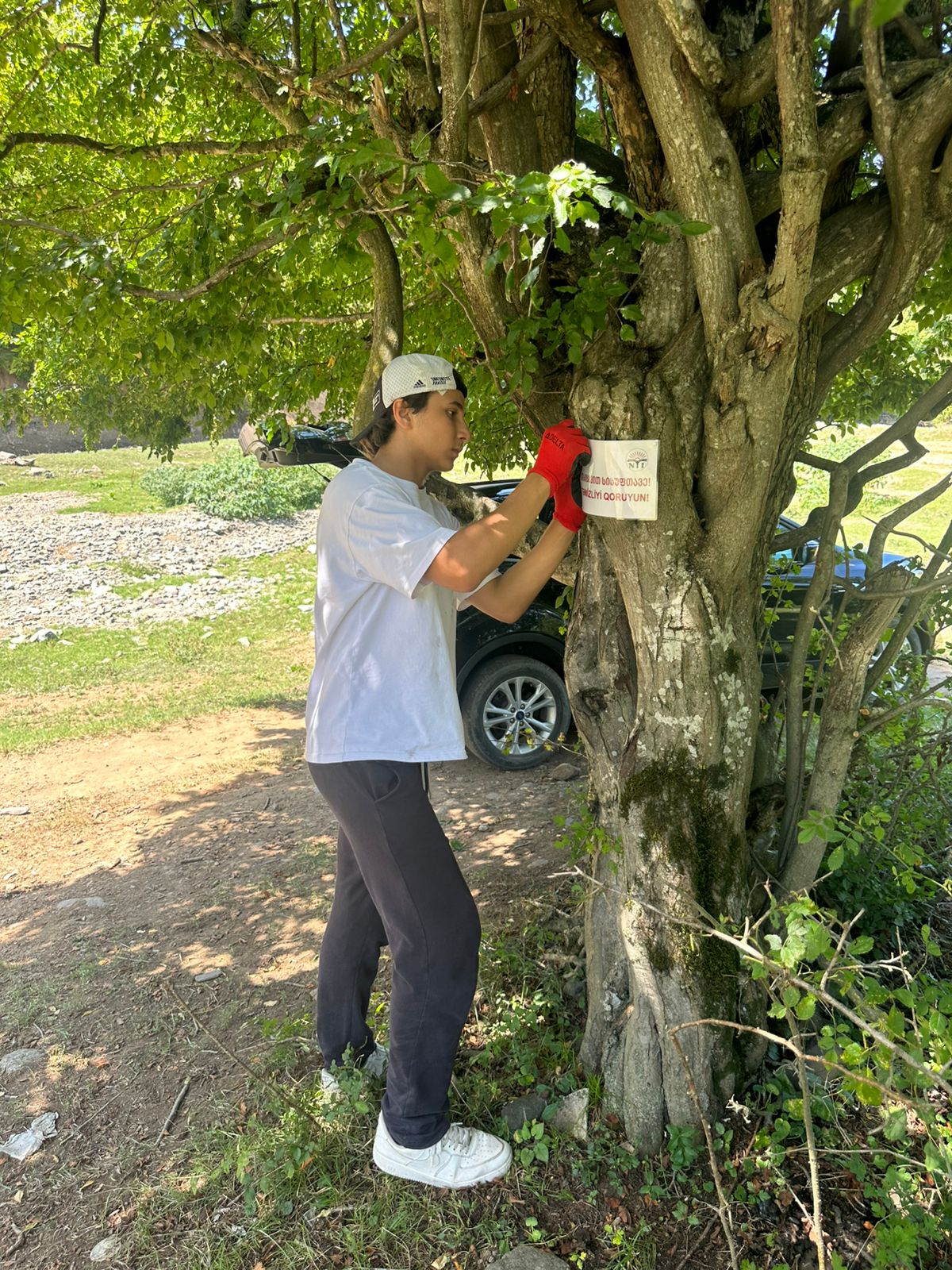
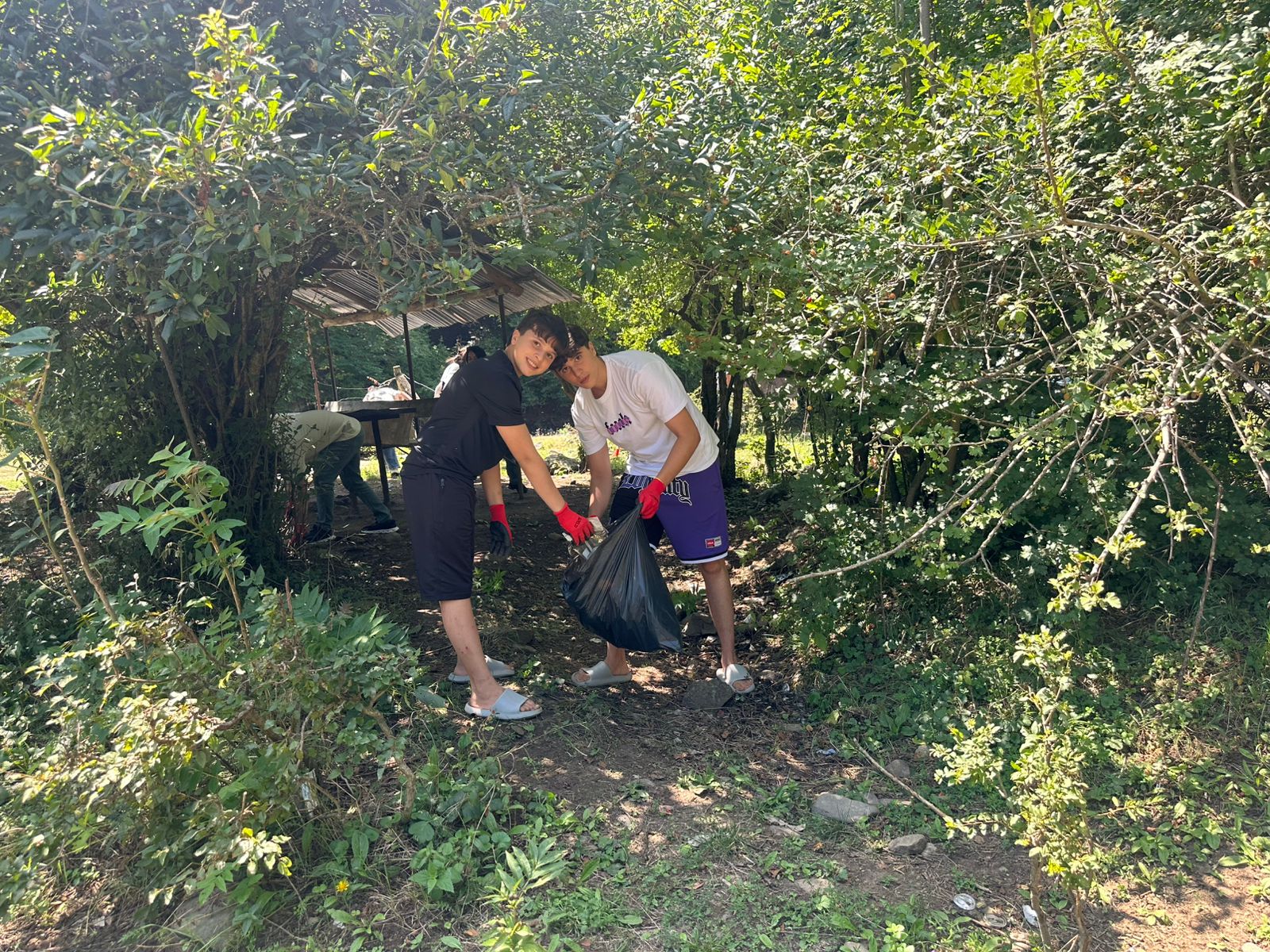
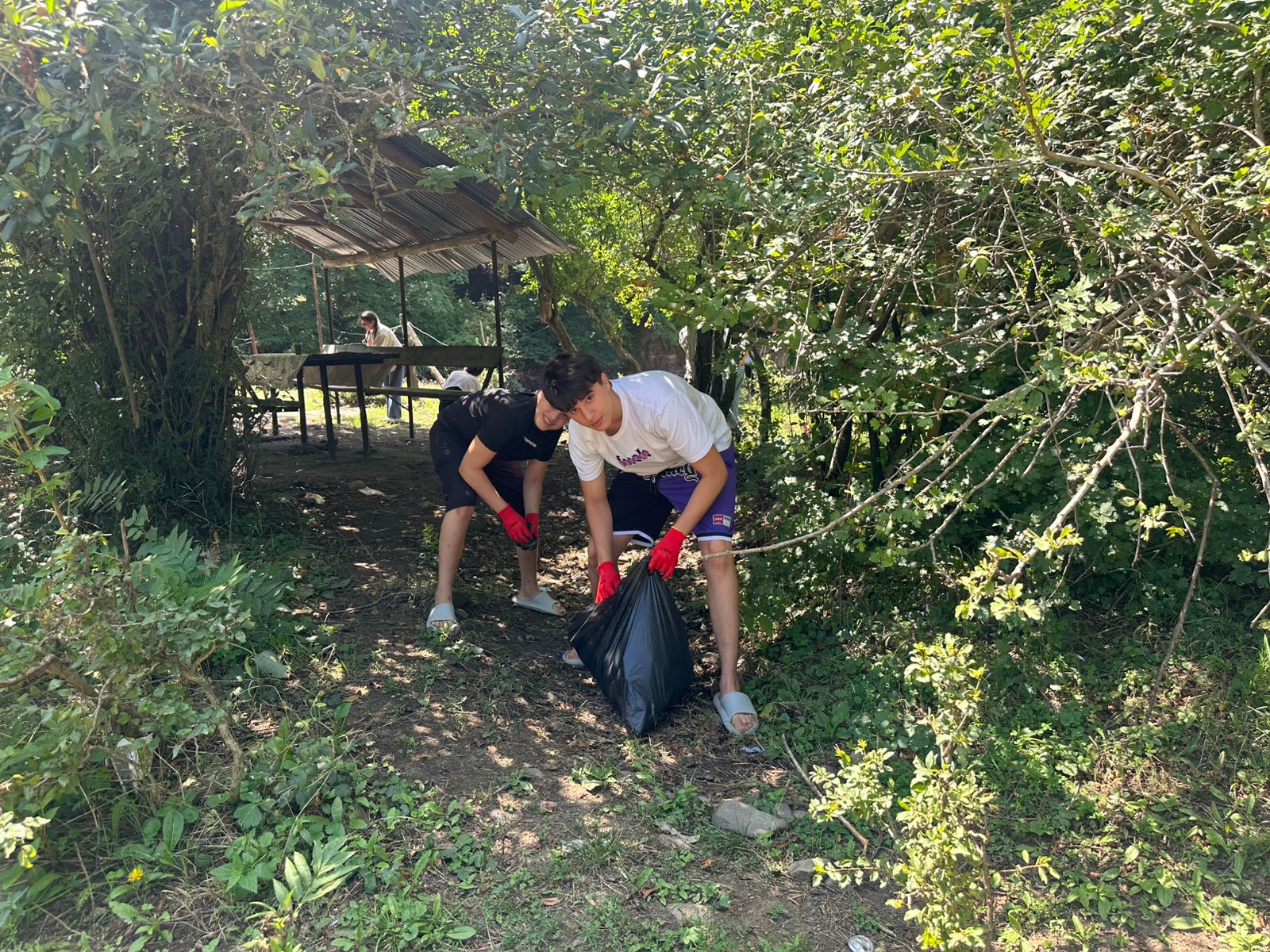
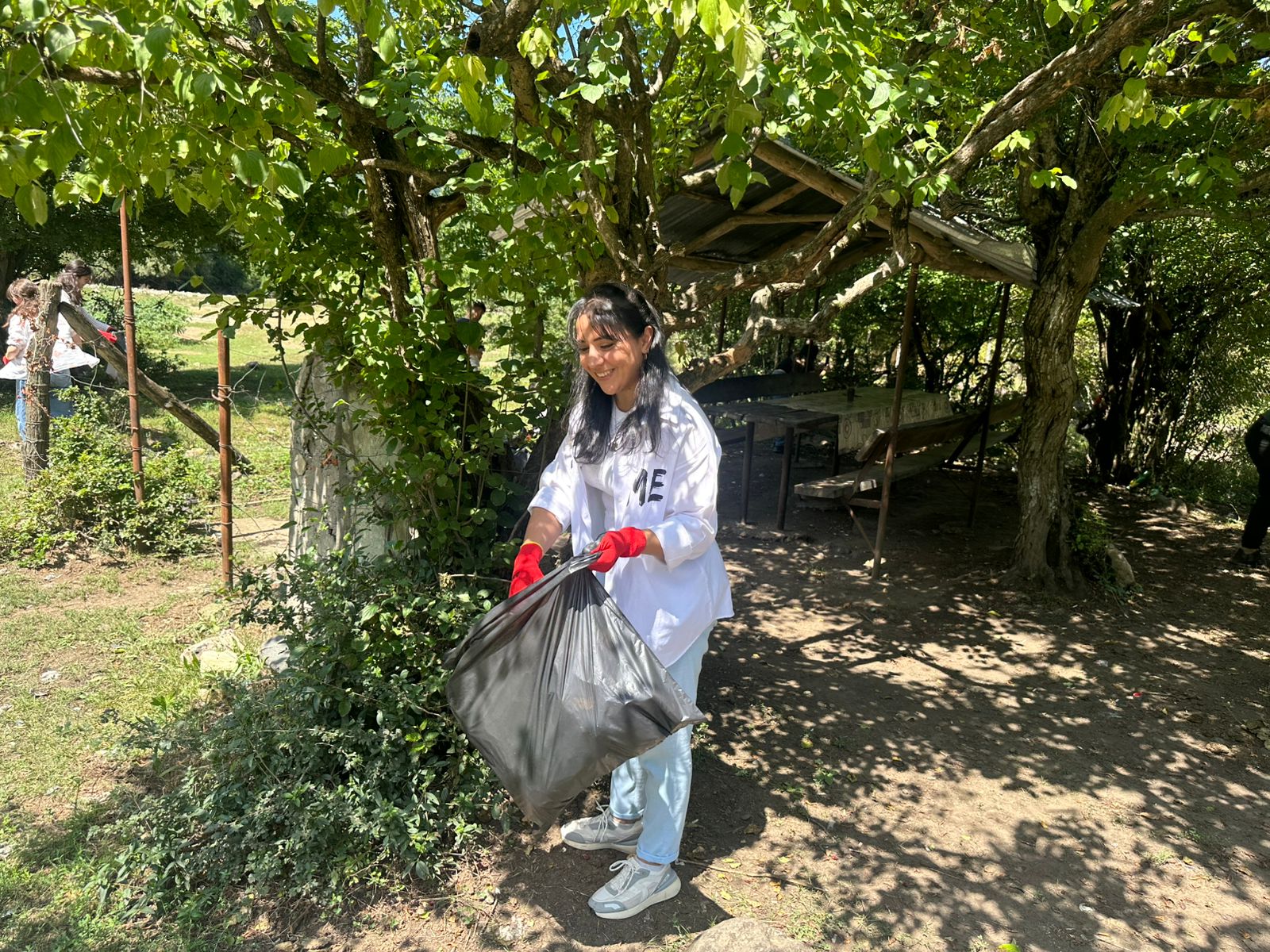
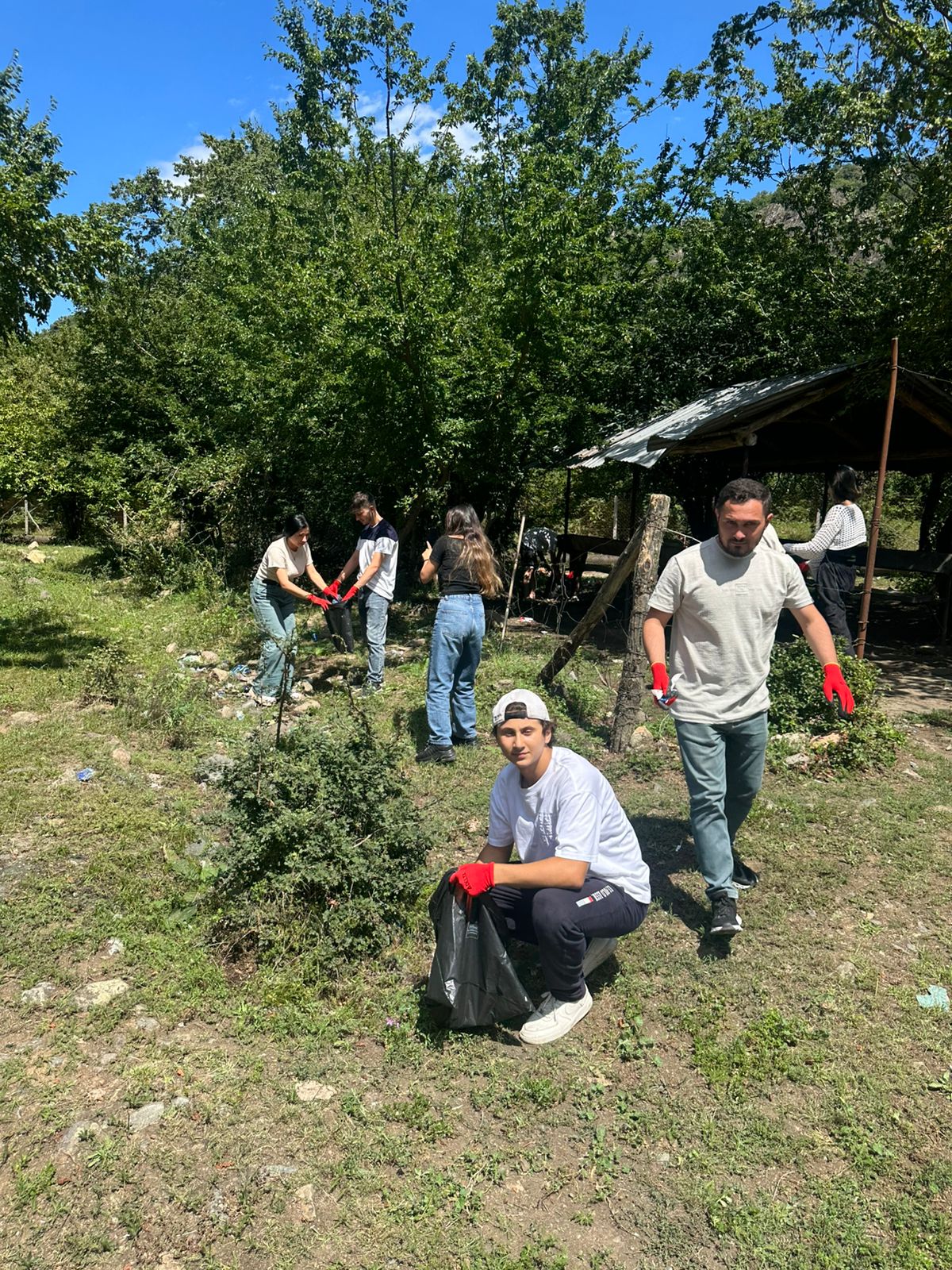
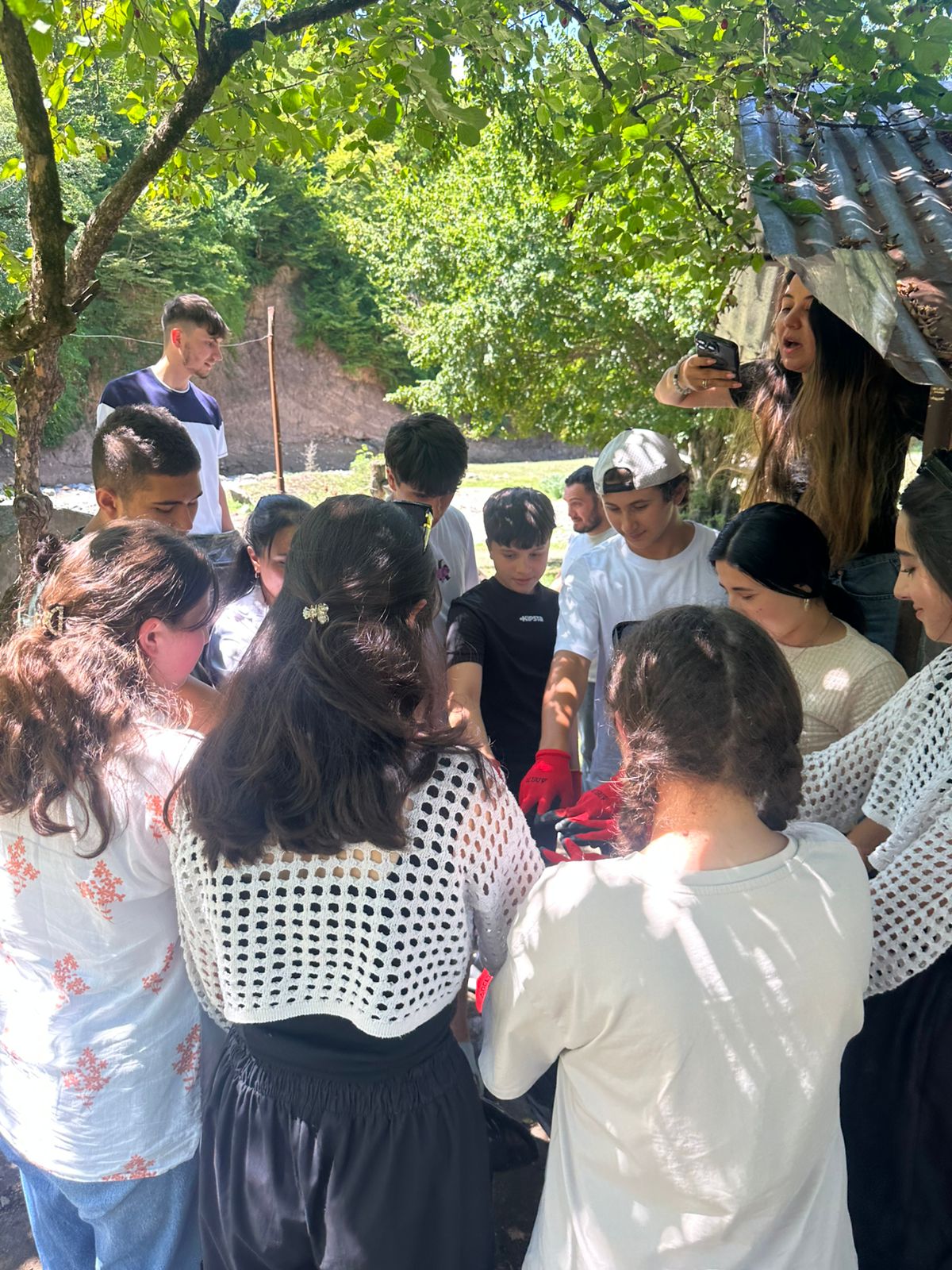
Our volunteers in action - cleaning forests and making a difference
Personal Motivation
Growing up surrounded by beautiful natural landscapes, I witnessed their gradual degradation due to neglect and lack of environmental consciousness. Forests accumulated litter, water sources became polluted, and local biodiversity declined. What troubled me most was how normalized this became — people accepted environmental degradation as inevitable rather than something within our power to address.
I believed that young people, with their energy, idealism, and stake in the future, could lead a transformation in environmental attitudes and practices. United for Nature was created to channel youth enthusiasm into meaningful environmental action while building a generation that understands sustainability not as an abstract concept but as a personal responsibility. The program demonstrates that collective action, even starting small, can produce visible, tangible improvements in our environment.
Impact by the Numbers
Long-Term Impact
United for Nature has achieved visible improvements in environmental quality across multiple communities. Forest areas that were littered and neglected have been transformed into clean, accessible spaces that communities now protect and maintain. More significantly, the program has catalyzed a shift in environmental consciousness — participants report changed behaviors at home, reduced waste, and active promotion of sustainable practices among peers and family members.
The program has created a network of young environmental advocates who continue organizing initiatives independently of our formal programs. School environmental clubs, community recycling programs, and local conservation projects led by program alumni demonstrate the lasting impact of early environmental engagement. These young people understand that environmental protection is not someone else's responsibility but a collective effort in which everyone plays a part, and they are leading by example in their communities.